
|
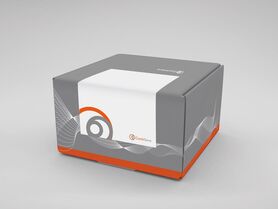
CatchGene Manual Kit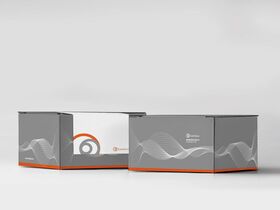
Easy, fast and reliable nucleic acid extraction kit for various samples
Vertical Divider
|
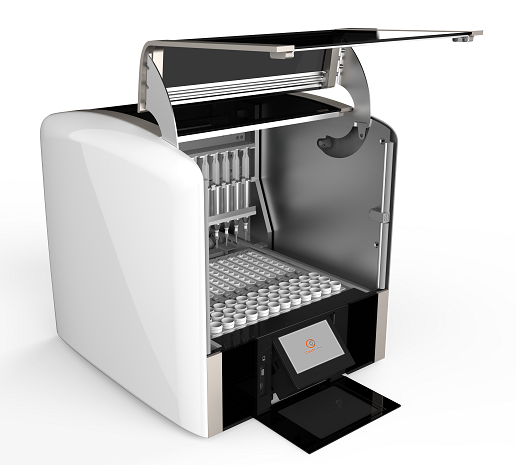
Circulating Cell-Free DNA (cfDNA)
Cell-free DNA (cfDNA) has emerged as a powerful biomarker for non-invasive diagnostics, especially in Cancer detection, Prenatal screening, and Organ transplant monitoring. Since its discovery, cfDNA has been extensively studied for its potential applications in liquid biopsies, allowing real-time monitoring of disease progression and treatment responses. This article provides an overview of the history of cfDNA discovery, its applications in medicine, and the methods used for cfDNA purification.
The Discovery of Cell-Free DNA
cfDNA was first discovered in 1948 by Mandel and Metais, who identified the presence of nucleic acids in human plasma. However, it was not until the 1990s that cfDNA research gained significant momentum, particularly when scientists observed elevated levels of circulating tumor DNA (ctDNA) in cancer patients. This discovery laid the foundation for the use of cfDNA as a biomarker for cancer detection and disease monitoring. The role of cfDNA became even more prominent in 1997, when Dennis Lo and his colleagues demonstrated the presence of fetal cfDNA in maternal blood, paving the way for non-invasive prenatal testing (NIPT). Over the past two decades, technological advancements in next-generation sequencing (NGS) and polymerase chain reaction (PCR) have made cfDNA analysis an essential tool in medical diagnostics.
cfDNA was first discovered in 1948 by Mandel and Metais, who identified the presence of nucleic acids in human plasma. However, it was not until the 1990s that cfDNA research gained significant momentum, particularly when scientists observed elevated levels of circulating tumor DNA (ctDNA) in cancer patients. This discovery laid the foundation for the use of cfDNA as a biomarker for cancer detection and disease monitoring. The role of cfDNA became even more prominent in 1997, when Dennis Lo and his colleagues demonstrated the presence of fetal cfDNA in maternal blood, paving the way for non-invasive prenatal testing (NIPT). Over the past two decades, technological advancements in next-generation sequencing (NGS) and polymerase chain reaction (PCR) have made cfDNA analysis an essential tool in medical diagnostics.
Applications of cfDNA
cfDNA has revolutionized several fields of medicine, with its applications spanning cancer detection, prenatal screening, organ transplant monitoring, and inflammatory disease diagnostics.
1. Cancer Detection and Liquid Biopsies
One of the most significant applications of cfDNA is in cancer detection through liquid biopsies. Tumors shed circulating tumor DNA (ctDNA) into the bloodstream, which can be analyzed for tumor-specific mutations, epigenetic changes, and copy number variations.
2. Prenatal Screening
cfDNA has transformed non-invasive prenatal testing (NIPT). Fetal cfDNA can be detected in maternal blood as early as 10 weeks of gestation, allowing for screening of chromosomal abnormalities such as:
3. Organ Transplant Monitoring
cfDNA is now used to monitor organ transplant rejection by detecting donor-derived cfDNA (dd-cfDNA) in the recipient’s blood. Increased levels of dd-cfDNA indicate organ damage, allowing for early intervention before full rejection occurs.
4. Inflammatory Diseases and Autoimmune Disorders
Recent research suggests that cfDNA could be a biomarker for inflammatory conditions, including sepsis and autoimmune diseases. Elevated levels of cfDNA are found in patients with conditions like rheumatoid arthritis and systemic lupus erythematosus (SLE), potentially guiding diagnosis and treatment strategies.
cfDNA has revolutionized several fields of medicine, with its applications spanning cancer detection, prenatal screening, organ transplant monitoring, and inflammatory disease diagnostics.
1. Cancer Detection and Liquid Biopsies
One of the most significant applications of cfDNA is in cancer detection through liquid biopsies. Tumors shed circulating tumor DNA (ctDNA) into the bloodstream, which can be analyzed for tumor-specific mutations, epigenetic changes, and copy number variations.
2. Prenatal Screening
cfDNA has transformed non-invasive prenatal testing (NIPT). Fetal cfDNA can be detected in maternal blood as early as 10 weeks of gestation, allowing for screening of chromosomal abnormalities such as:
- Down syndrome (Trisomy 21)
- Edwards syndrome (Trisomy 18)
- Patau syndrome (Trisomy 13)
3. Organ Transplant Monitoring
cfDNA is now used to monitor organ transplant rejection by detecting donor-derived cfDNA (dd-cfDNA) in the recipient’s blood. Increased levels of dd-cfDNA indicate organ damage, allowing for early intervention before full rejection occurs.
4. Inflammatory Diseases and Autoimmune Disorders
Recent research suggests that cfDNA could be a biomarker for inflammatory conditions, including sepsis and autoimmune diseases. Elevated levels of cfDNA are found in patients with conditions like rheumatoid arthritis and systemic lupus erythematosus (SLE), potentially guiding diagnosis and treatment strategies.